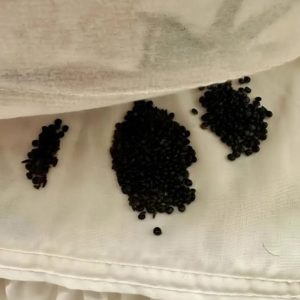
Canned beans are a kitchen staple known for their convenience, affordability, and nutrition—rich in protein, fiber, and essential nutrients.
They’re cooked and sealed in liquids like water, brine, or sauce, which preserve them but may contain added salt, starches, or preservatives.
This can result in a thick, sometimes slimy texture.Rinsing canned beans is a common way to reduce sodium—by up to 40%—making it a smart choice
for those watching their salt intake. It also removes sugars or additives often found in seasoned varieties. However,
rinsing can wash away some water-soluble vitamins and minerals, so there’s a slight trade-off.
Some cooks prefer to keep the liquid, especially for soups or stews, where it can enhance flavor and thicken the broth.
For cold dishes like salads, though, rinsing helps remove brininess and improve taste and texture. Food experts are split:
nutritionists typically recommend rinsing for health reasons, while chefs may keep the liquid for richer results.
To rinse, place beans in a colander and run cold water over them for about 30 seconds. Ultimately, rinsing is a personal
choice that depends on your dish and health needs. Low-sodium or no-salt-added varieties are also great alternatives.