White Tongue: What It Is and How to Treat It
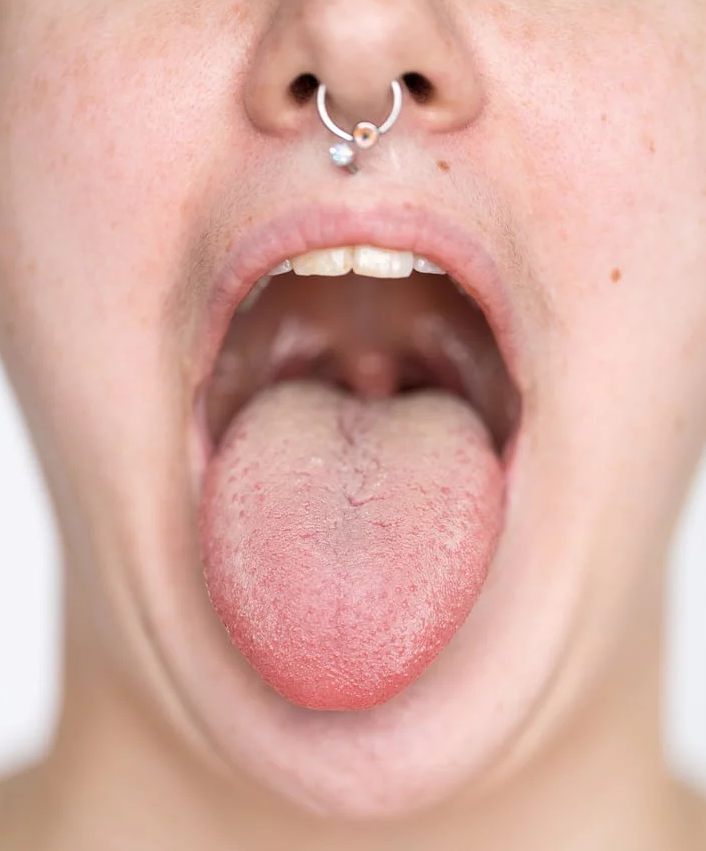
A white tongue occurs when a film—covering part or all of the tongue—develops, often with a bad taste or odor.
It may resemble white “hairs,” which are actually enlarged buds coated with bacteria, food particles, and dead cells.
Common Causes:
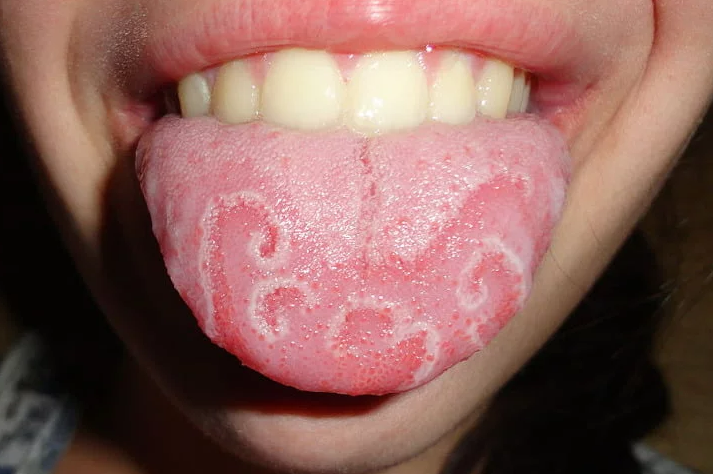
White tongue often results from poor oral hygiene, bacterial buildup, or irritation. Sometimes, it’s linked to conditions
like geographic tongue, where white patches appear due to inflammation triggered by certain foods, stress, or hormonal changes.
Other causes include dry mouth, infections, smoking, or illnesses. The plaque may also be yellow
(possible liver issues), brown (from excess tea or coffee), or red (vitamin B deficiency).
Piercings & White Tongue:
After getting a tongue piercing, temporary white film or rings may appear due to increased bacteria
or healing tissue. This is usually normal and resolves within about 10 days.
Treatment:
Start with good oral hygiene—brush your tongue, use mouthwash, and stay hydrated. Avoid irritants
like spicy or acidic foods. For piercing-related white tongue, use antibacterial mouthwash and allow time for healing.

When to See a Doctor:
If the white coating persists for weeks, becomes painful, or interferes with eating or speaking,
consult a healthcare professional for proper diagnosis and treatment.